Therapy that fits how your brain works.
If you have been thinking about getting support but something about it has not felt right, you are not the only one.
A lot of therapy is built around expectations that do not work well for neurodivergent people, especially if you have spent years pushing through, overthinking everything, or feeling like you are meant to cope better than you do. Emily offers a warm, low-pressure space where you can slow down, say things badly, take your time, and still be taken seriously.

Unfurl is different
No pressure to have it all explained
You can book even if you do not fully know how to describe what is going on. Sessions make room for rambling, pausing, circling back, extensive yapping and working things out as we go.
No forcing yourself into someone else's template
If you are autistic, ADHD, AuDHD, or still figuring that out, support should work with your brain instead of expecting you to mask harder, communicate a certain way, or push past what your nervous system is telling you.
Warm, Chatty and REAL
Sessions with Emily are thoughtful, collaborative, and down-to-earth. You can bring the messy version of what is going on, and you will still be met with care, curiosity, and practical support.
What you can bring in the room
You do not need one tidy problem to qualify for therapy. A lot of people come in carrying a mix of stress, identity questions, executive functioning struggles, burnout, relationship stuff, and that ongoing feeling of being a bit too stretched.
-
If your brain feels like it never fully switches off, therapy can help you slow things down, spot the patterns underneath the stress, and find steadier ways through without turning everything into another thing to get right.
-
You might already know you are neurodivergent, or you might still be piecing things together. Therapy can help you understand your patterns, sensory needs, relationships, and why some parts of life feel harder than they look from the outside.
-
Adulthood asks a lot of you. Therapy can support you through study, work, self-esteem, relationships, and the quieter question underneath all of that, which is how to build a life that actually feels like yours.
What therapy can look like
Starting therapy doen’t need to feel intense or formal. You do not need a polished backstory, a five-step plan, or the right words before you book. You can just start where you are.
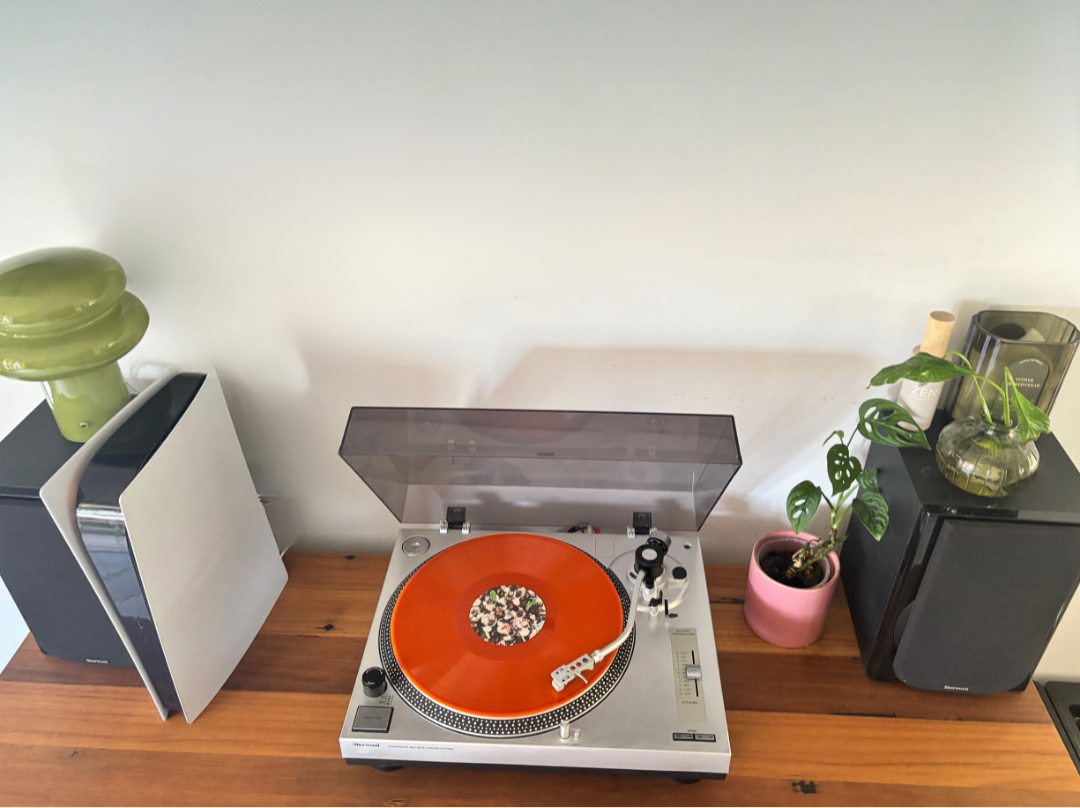
Step 1:
Book a time that works for you
If booking feels like a big step, this is so normal. You don’t need to have everything figured out before we talk. You just need a place to start.
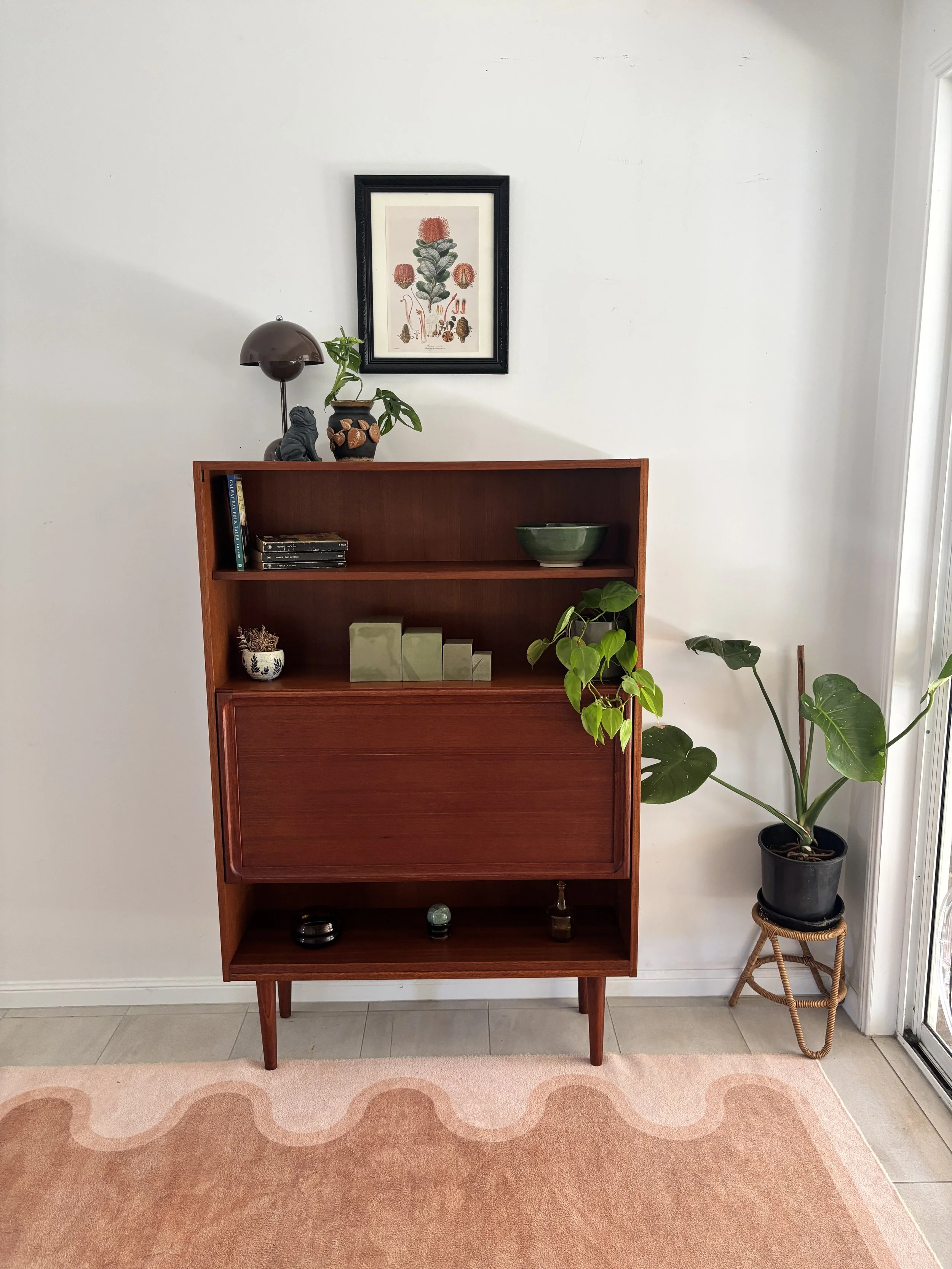
Step 2:
Show up from your own space
Sessions happen by telehealth, which can take a lot of the friction out of getting support. Less travel, less sensory load, and less of that weird energy it can take just to get yourself somewhere unfamiliar.
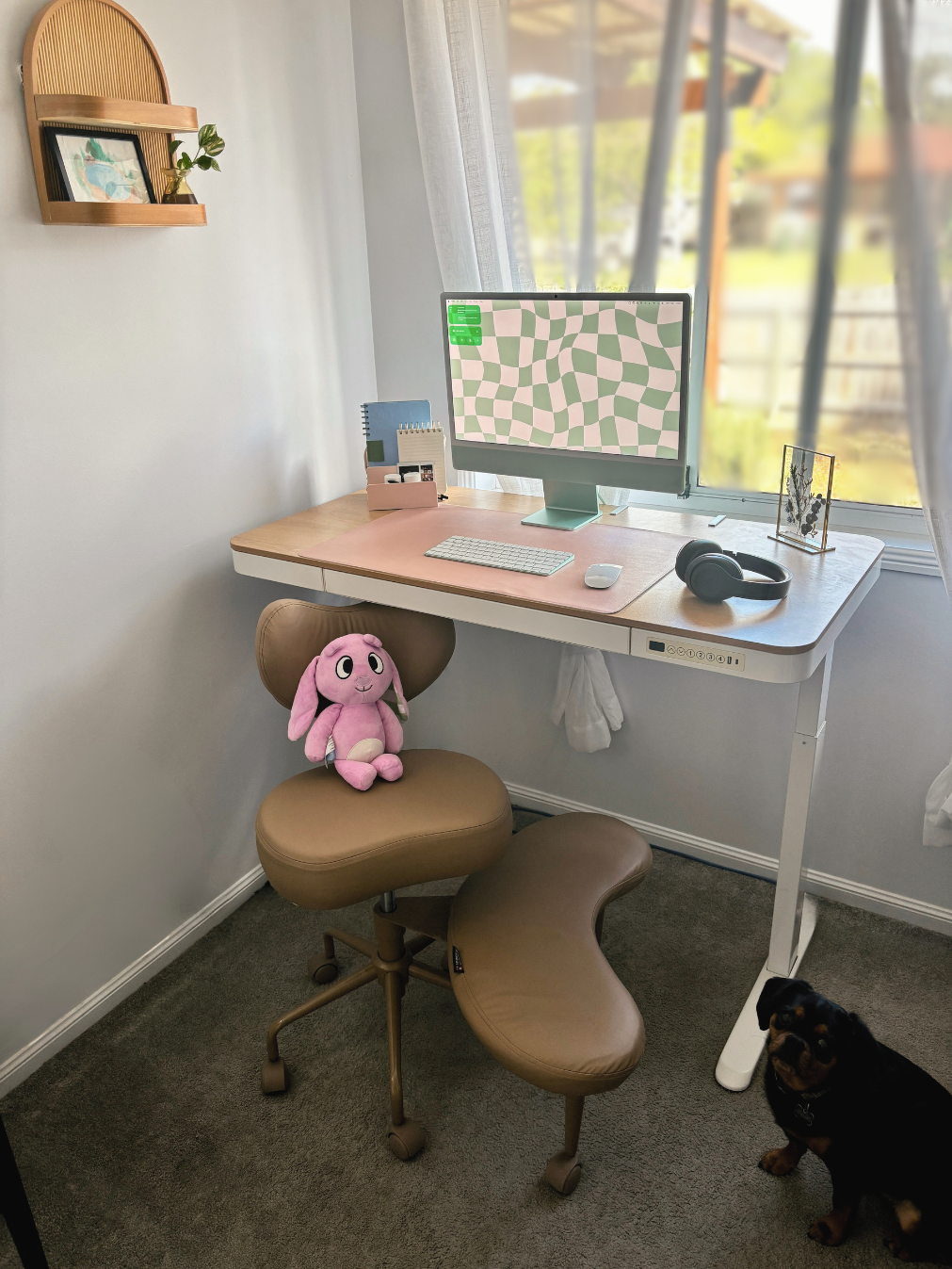
Step 3:
Talk it through at your pace
Together, you can unpack what is going on, what keeps catching up with you, and what support would actually help
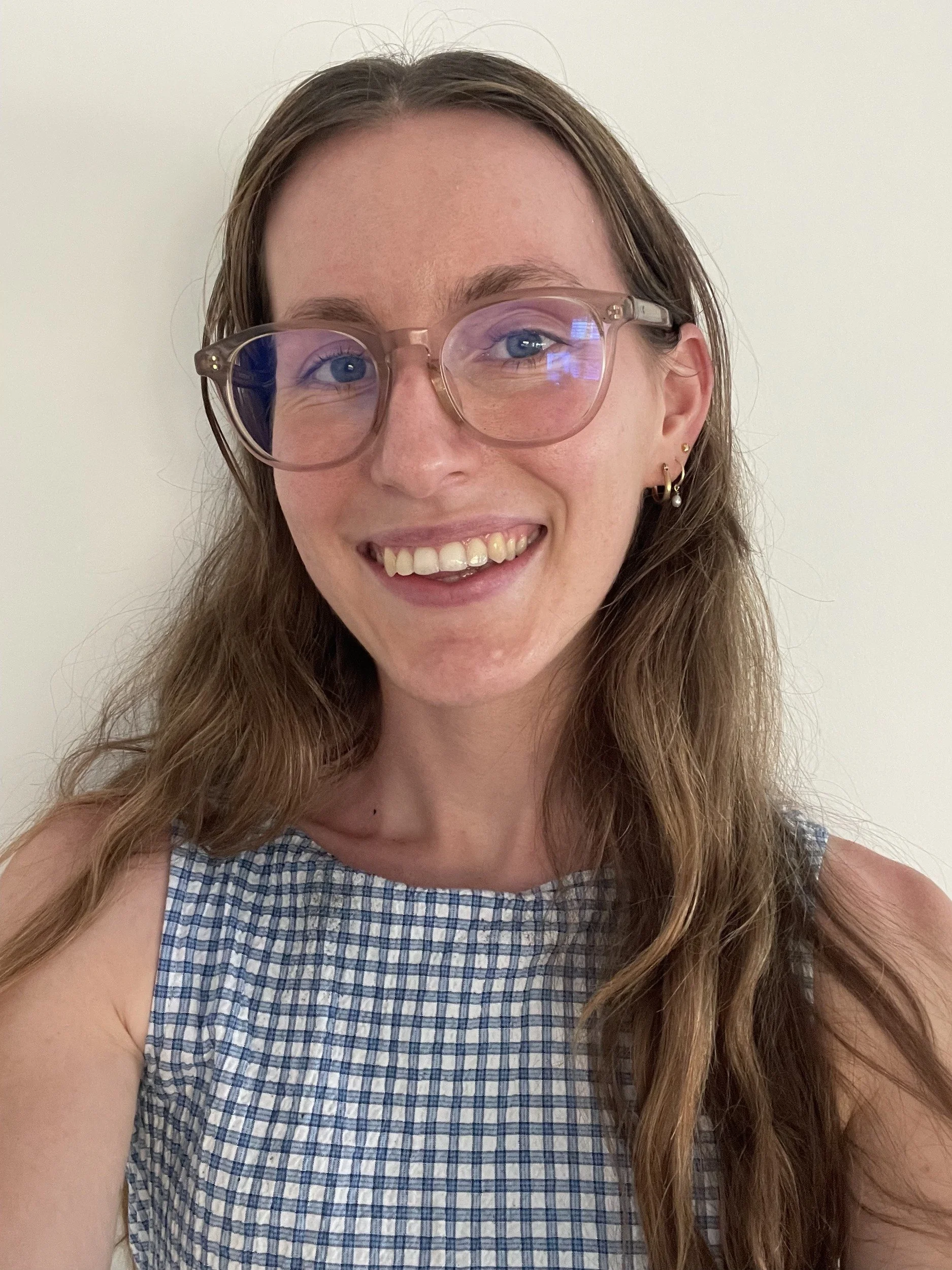

Meet Emily
Provisional Psychologist (She/Her)
Em supports teens, young adults, women, neurodivergent clients, and LGBTQIA+ folks. She is passionate about helping overthinkers, perfectionists, and people-pleasers gently unpack life's pressure and move from self-judgment toward curiosity and self-compassion.
She creates a welcoming, judgment-free space to help you navigate ADHD, autism, identity, relationships, or major life transitions without feeling overwhelmed.
Sessions with Em are warm, colaborative, and chatty. She tailors each session to what you need, whether that’s practical strategies or a quiet space to slow down, exhale, and feel understood.
If you’re looking for a real, warm therapist who actually gets it
Book a free 15min discovery call now
Can’t find a time that works for you?
Reach out!
The bit that matters most
What "neuroaffirming" actually means here
It's not a word on a values page, it's how our sessions run. We're a neurodivergent-led team, so we understand masking, sensory needs, and communication differences from lived experience, not just theory. That shows up as: no pressure to make eye contact or sit still, direct communication welcomed over small talk, sensory accommodations built in as standard, comfy clothes and pets welcome and zero pathologising of traits that are just part of how your brain works.