
Fees & FAQs

Therapy Fees
Standard Consultation with General Psych
$245
per 50 min session
If you have a Mental Health Care Plan from your GP, you may be eligible for a Medicare rebate of $101.55 per session, for up to 10 sessions per calendar year. This reduces the out-of-pocket cost to $143.45 per session.
If you've reached your Medicare Safety Net threshold, you may be eligible to get a higher rebate back for your sessions.
We can also accept GP referrals under Chronic Health Plans and Eating Disorder Plans for psychology rebates.
Standard Consultation with Provisional Psych
$143
per 50 min session
Provisional psychologists cannot process Medicare rebates. To keep care accessible, we lowered this fee so your out-of-pocket expense matches the exact gap fee of a Medicare-rebated session with a registered clinician.
NDIS Arrangements
As per NDIS pricing
Individuals with self-managed or plan-managed NDIS funding can access therapy services. Fees align with current NDIS Pricing Arrangements and Price Limits.At this time, Unfurl Psychology is not able to see NDIA (agency-managed) NDIS participants.
Assessments Fees
Two ways to do it
Confirmation Letter
A brief document confirming that an assessment was completed, including the tools used and any diagnoses (or the absence of a diagnosis). This is a more affordable option if you simply want to find out whether you meet diagnostic criteria.
Full Diagnostic Report
A comprehensive document detailing how your traits align with the relevant diagnostic criteria, each tool used and its results, and what those findings mean for you. It also includes tailored recommendations and a summary letter (which you may choose to share with others without disclosing personal information in the full report). This option is ideal for those who want a more in-depth understanding.
Both options include a feedback session to discuss the results with you.
Confirmation Letter
Full Diagnostic Report
ADHD
Austism
Autism & ADHD (Combined)
$1000
$1,250
$1,500
$1,500
$2,000
$2,500
What to expect
What our sessions actually look like
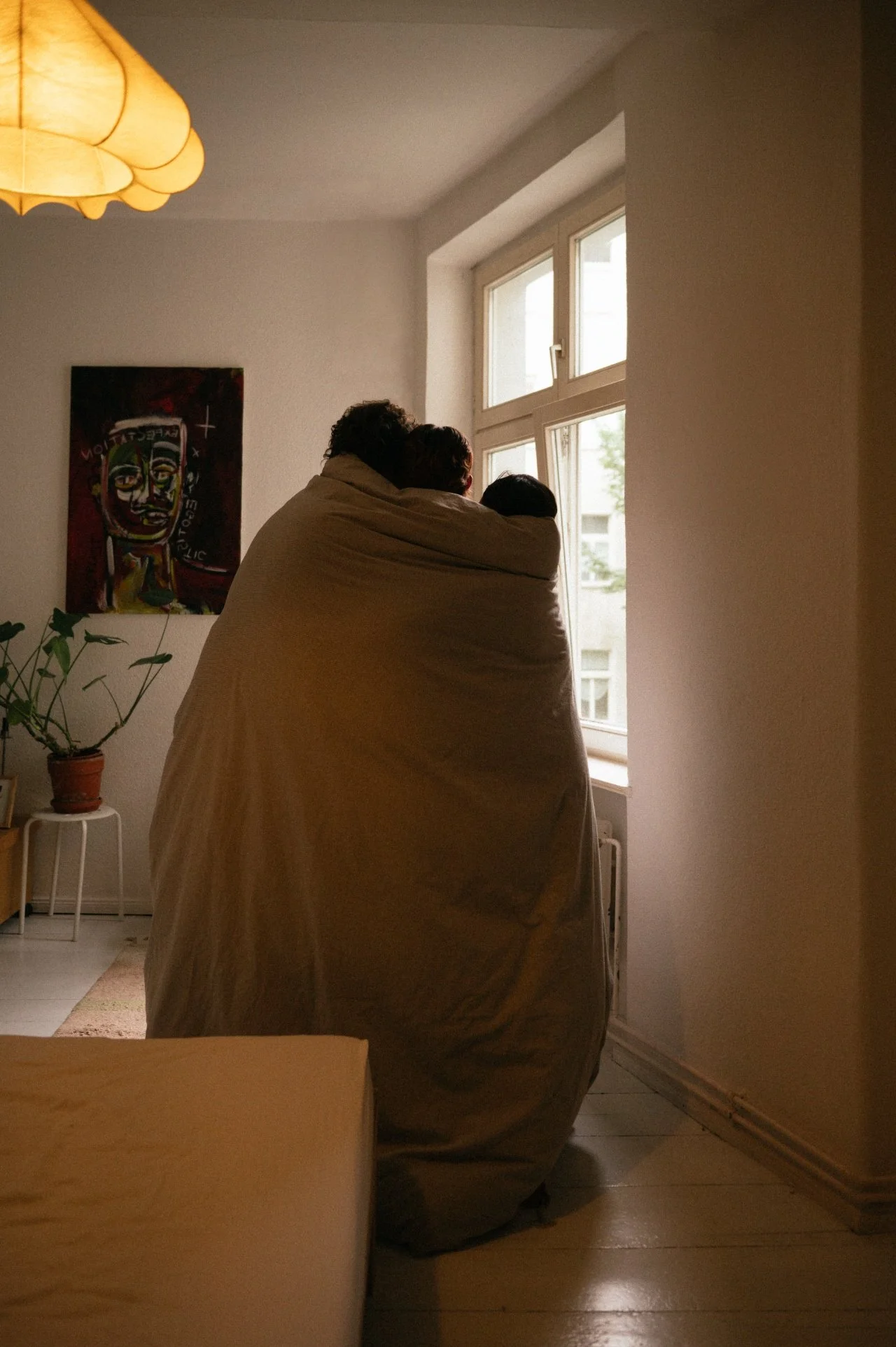
Sessions run over secure video, from wherever you're most comfortable: bed, couch, blanket fort, all count. PJs, oodies, snacks, fidgets, and pets are all welcome. Camera off, typing instead of talking, adjusting lighting or volume, bringing a support person: just let us know what helps and we'll build the session around it.
In your first session, your clinician will introduce themselves, cover the confidentiality and consent basics, then ask a few gentle questions about what brought you in. No pressure to share everything or explain it perfectly, some people bring notes, some people bring slideshows, others just show up and see where it goes.
We're a no-homework practice. Your therapist might offer something to reflect on between sessions, but it's always optional.
Common Questions
Before you book


-
Head to Book Now to see availability and book directly online, or message us first if you'd like help finding the right fit.
-
No — you can book with or without one. A GP Mental Health Care Plan just means you may be eligible for a Medicare rebate.
-
Yes — for most people, telehealth therapy is just as effective as in-person, and for a lot of neurodivergent clients, it removes barriers like sensory overload, travel, and unfamiliar spaces that can get in the way of good therapy.
-
That's completely normal, and not something you need to prepare for. Sessions are a conversation, not a test — your clinician will help guide things.
-
Yep. If you’ve got a Mental Health Care Plan from your GP, you can claim a Medicare rebate of $101.55 per session for up to 10 sessions a calendar year, whether you see us on video or in person. We also accept GP referrals under Chronic Health Plans and Eating Disorder Plans.
-
We’re telehealth-only, so yes, wherever you are in Australia, as long as you’ve got a decent internet connection and a private-ish spot to talk.
-
That is totally ok! Not clicking with your psychologist is a really common experience. If you’re finding you just aren’t ‘jelling’ with your psych, feel free to send our admin team an email. We can help match you with another clinician on the team or guide you toward a better fit elsewhere.
-
Because we’re a neurodivergent-led team, we get it. That means you never have to worry about forcing eye contact or sitting still. Want to keep your camera off, type instead of talk, or adjust your lighting and volume? Go for it.
You’re welcome to bring pets, snacks, fidgets, or wear your favourite oodie. If you need to move around or sit in unconventional ways, that’s totally cool with us!
We’re also a no-homework practice, so there’s zero pressure between sessions (unless of course, you like homework!)
Whatever helps you feel safe and comfortable, we’ll build the session around you.
-
We value your feedback and take all concerns seriously. If you have a complaint or feel your care could have been better supported, we welcome you to reach out directly via email at admin@unfurlpsychology.com.au or by phone at 0468 129 180 so we can listen and work with you to resolve the issue.
If you wish to make a formal complaint or raise a safety concern outside of our practice, you can contact the Psychology Board of Australia via the Australian Health Practitioner Regulation Agency (AHPRA), the organization responsible for regulating registered health practitioners across Australia.
The bit that matters most
What "neuroaffirming" actually means here
It's not a word on a values page — it's how sessions run. We're a neurodivergent-led team, so we understand masking, sensory needs, and communication differences from lived experience, not just theory. That shows up as: no pressure to make eye contact or sit still, direct communication welcomed over small talk, sensory accommodations built in as standard, and zero pathologising of traits that are just part of how your brain works.